
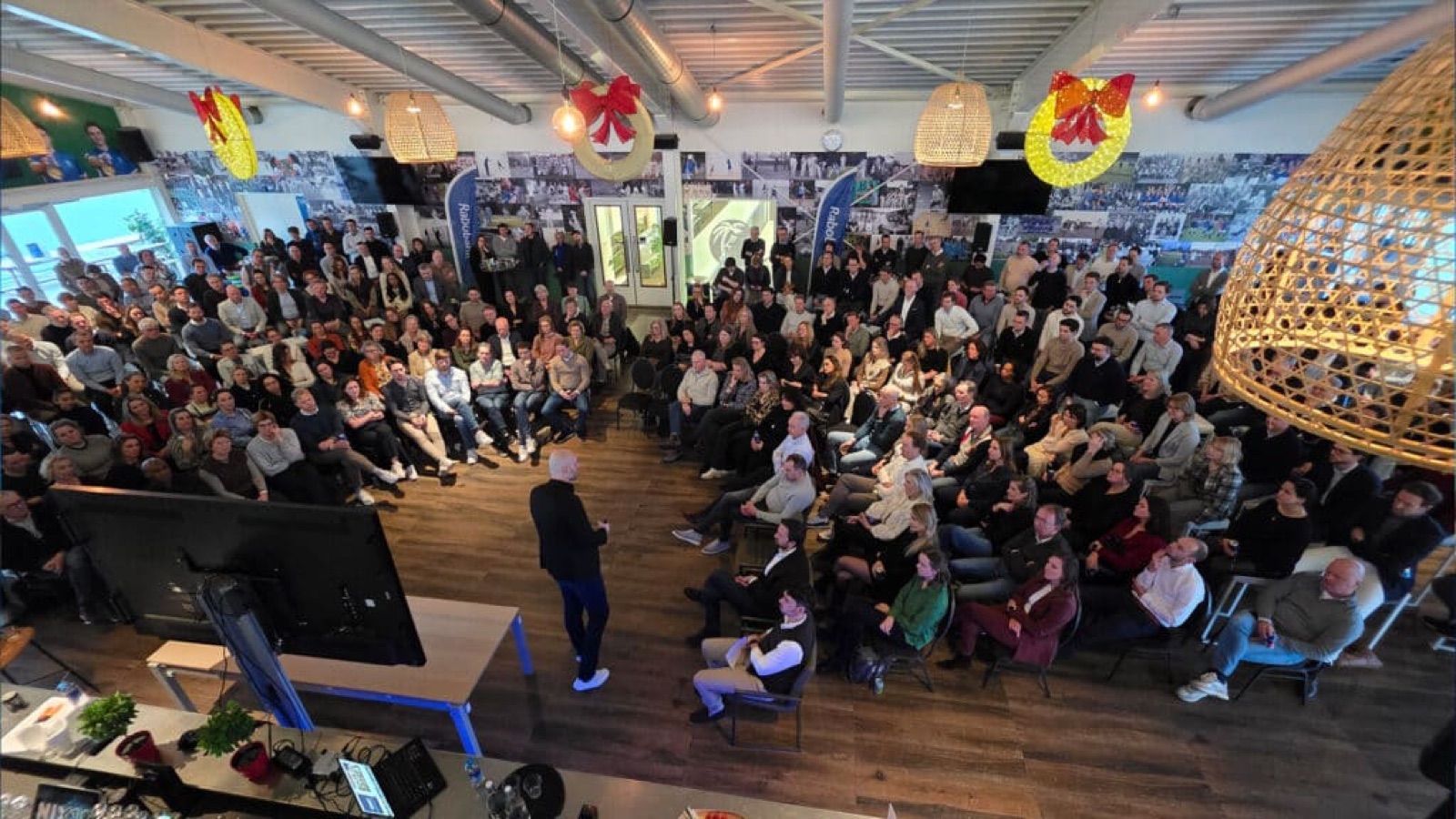
The organization asks employees what gives them energy. The answers are collected on colored cards. There is attention, there are good conversations and someone rightly mentions the importance of appreciation. Another employee writes that he would like to complete one task before three new ones are added. The card stands out less among words such as connection and growth. Yet it contains a particularly concrete question. Job satisfaction is sometimes not about something extra, but about the ability to do existing work well and actually complete it.
That is not a complete explanation for how people experience their work. Colleagues, content, personal circumstances and possibilities can all play a role. It is a useful place to look when a team is spoken to enthusiastically but remains tired. What does the working day look like? Which assignments are involved? What can anyone decide? What happens to a task that keeps getting left behind due to changing priorities? A pleasant initiative outside the work process cannot independently resolve all tension within that process.
The open ends on the desk
Imagine an employee supporting five projects at the same time. On paper his time is divided. In practice, all project leaders ask for something on Thursday that is needed on Friday. He works hard, but no client sees the whole. If he indicates that it is not suitable, he must arrange priorities himself among people who are all defending their own deadline. The demand for job satisfaction then becomes primarily a demand for coordination. Someone has to help choose what comes first and which expectation is adjusted.
A clear work overview can support that conversation, but the choice will not resolve itself. Management must also be prepared to postpone or reduce something. Otherwise, a nice list will be created that clearly shows that the assignment is not feasible. This can even cause extra frustration if employees fill in everything carefully and then nothing changes. Listening becomes meaningful when information influences a decision. An inventory without follow-up is a task on top of the tasks people were just trying to talk about.
Appreciation that understands the work
A compliment can be pleasant, especially when it makes concrete what someone has contributed. But appreciation becomes complicated when it mainly follows the sacrifice of boundaries. Anyone who is constantly praised for helping out outside working hours can learn that simply doing good work is less visible. Therefore, also look at preparation, cooperation and careful completion. Not every valuable contribution ends in a rescue operation. Sometimes the greatest success is when a customer query is handled without hassle because someone previously captured the correct information.
Ask employees themselves which parts of their work they find useful and which are mainly annoying. Avoid the expectation that everyone has the same sources of pleasure. One enjoys a complicated analysis, the other enjoys direct contact. Some people want more variety, others want room to become good at something. Not every preference can be accommodated. The conversation does help to make choices that fit people and tasks better than a general idea of what an ideal working day should be.
Space that is not immediately filled
When a process becomes easier, time is sometimes created. This can be done through better transfer, less double registration or a suitable AI application. Discuss what happens to that space. Perhaps the gap can be reduced. Perhaps extra attention is needed for a customer. Perhaps colleagues first need to learn how to use the new working method properly. When every savings is immediately followed by more production, the experience almost remains the same. The team can then work smarter and still not notice that the work has become easier to do.
That is why it is useful to look at speed and quality together. Completing a task means more than setting a status to done. Is the information useful for the next colleague? Are customer expectations clear? Does anyone need to do any repair work later? A good completion can provide peace of mind in the process, but sometimes requires time at an earlier time. If only initial processing is counted, that attention seems inefficient. In the meantime, the entire work can become more reliable and clearer.
An ordinary conversation about a workable week
AI and happiness at work is a masterclass within Folkerts & Smit. The broader topic is also reflected in questions about behavior and cooperation. For a team, the first step can be very mundane: discuss one working week and see what gave energy, what became unnecessarily difficult and which appointment can make a difference. Keep it specific. More balance is a direction; a decision about competing deadlines is an action. The second makes visible who can do something and what support is needed.
Don't turn such a conversation into obligatory optimism. Employees can indicate that something is disappointing without immediately having to find a positive spin. At the same time, it is useful to see where influence exists. A team may not be able to arrange extra capacity itself, but it can make it clearer what consequences a shortage has and which tasks cannot be performed simultaneously. That conversation should then continue at the appropriate level. Otherwise, attention to job satisfaction becomes a request to develop a more pleasant experience within unchanged circumstances.
Perhaps after the conversation there will be a card left saying that a task can finally be completed. It's not an inspiring slogan. It is a wish that can include a concrete choice: complete one project, move one deadline or stop one unnecessary registration. A good working day does not always have to be special. It can also consist of meaningful work, a helpful colleague and the feeling that a completed task is not immediately open again through a back door. That is modest happiness at work with a very practical approach.