
The question often starts practically: how much time do we have in the program? There is an hour available, so something has to fit into an hour. That's an understandable start, but not always the best. Perhaps the audience above all needs a shared experience. Perhaps there is a work question that requires practice and discussion. The duration of the program says little about that need. If you want to choose a suitable format, it is therefore better to first ask what participants should recognize, understand or be able to try out afterwards.
A keynote and a masterclass are not two sizes of the same product. A longer program is not automatically more in-depth and a shorter contribution is not automatically superficial. The content, structure and opportunity to work with the subject yourself make a difference. A large group can benefit greatly from a shared story that raises new questions. A team with a specific challenge may need time to connect those questions to their own situations. Both can be valuable when expectations are correct.
The shared experience
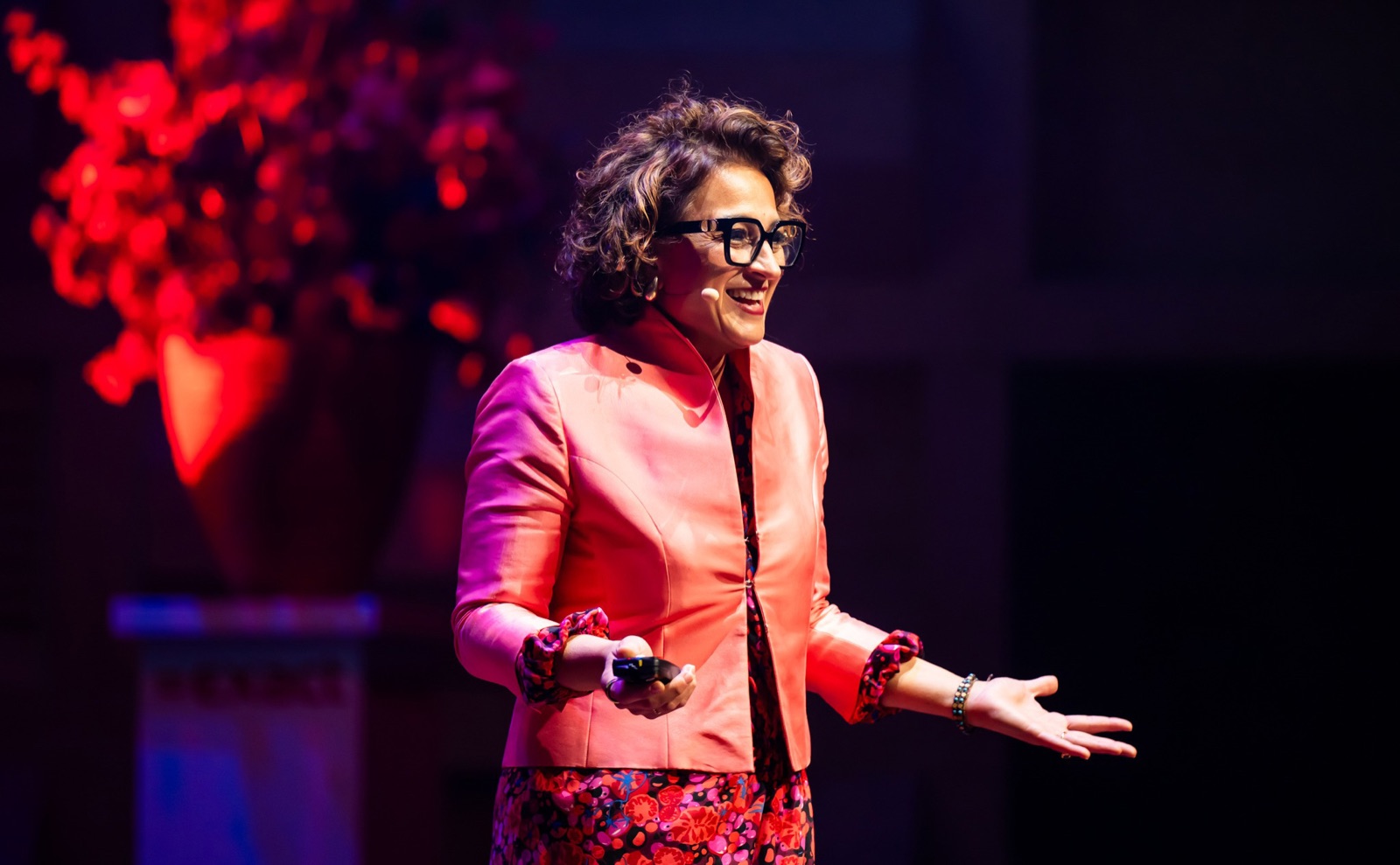
Imagine a conference with participants from different organizations. They hardly know each other and do not have one common process to adapt. A keynote can then offer a substantive starting point: recognizable patterns, humour and a different view of behavior or collaboration. The outcome does not necessarily have to be that everyone chooses the same action. Participants can bring a perspective to their own practice. What is particularly important for the organizer is which topic fits in with the broader intention of the conference.
Context helps with this. Who is in the room? What was discussed earlier today? Is the contribution intended as an opening, deepening or closing? A speaker can tune in better when that information is known. A short briefing with a few specific questions can be more helpful than a long list of values that could apply to every organization. Sensitivities also deserve attention. When a major decision has just been announced, a story about change takes on a different meaning for the audience.
Time to work with the content
A masterclass offers room for further deepening and application within the range of Folkerts & Smit. This is appropriate when participants not only want to listen, but also want to explore the connection with their own work. However, the question must remain sufficiently defined. People cannot solve an entire culture problem in a few hours. They can recognize a pattern, discuss examples and start with a different approach. A realistic assignment makes that time more useful than expecting everything to be covered at once.
For example, choose a theme that is reflected in daily work: communication during change, division of roles in a team or a concrete application of AI. Explain what knowledge participants already have and what situations they encounter. Then the program does not have to start with assumptions about the level of the group. Practical circumstances also count. Can everyone participate? Is there room to discuss? What can be done with one's own information? The working method must match the content and the setting.
Who will take over the sequel?
In both forms, the organization remains responsible for the translation into its own work. A speaker can open an important conversation, but cannot determine on behalf of the management which priority applies on Monday. A trainer can provide tools, but cannot change powers unnoticed. Therefore, agree in advance what will happen after the meeting. Does the topic come up again in a team meeting? Is one trial agreed? Is there anyone collecting outstanding questions? A sequel doesn't have to be big to be meaningful.
This also applies when the goal is mainly meeting or inspiration. Then you can name it honestly. Not every participant needs to leave with a personal action plan. Sometimes it is valuable that colleagues have laughed together and can discuss a new topic. It only becomes unclear when the organization expects a measurable change in behavior afterwards that has not been prepared anywhere in advance. A clear intention protects both the audience and the meeting from being judged for results for which the form was never chosen.
The content determines the route
On Folkerts & Smit, Paul emphasizes the I and Arno on the we. There are also masterclasses with their own topics and trainers. These differences make a substantive conversation meaningful. Describe the question behind the request rather than just a desired title. What do participants encounter? Which movement do you want to support? What space is there in the program? This allows an appropriate choice to be investigated without assuming on the basis of one word that every program has the same accent.
When tuning, also check the current options. Trainers, duration and practical design are part of the specific request, not an assumption based on a previous event. This column therefore does not provide a fixed price or universal ideal group size. Such details should match the chosen content and setting. It is better to discuss them in a targeted manner than to build a meeting on information that was intended for another program or at another time. Good preparation prevents a lot of unnecessary repair work here.
Maybe the available hour turns out to be just right. Perhaps room should be made for a different kind of session. In both cases, the choice is stronger if it starts with the needs of the audience. The agenda remains important, but does not have to be the first to determine the content. Ask what people should experience together and what they would like to do with the content. Then the keynote or masterclass will not be a competition between short and long. It becomes a targeted choice for the role that the meeting should actually fulfil.